

Home Detox Alcohol
If you cannot pay for medical treatment and want to detox at home, a home program is an option. During this process, it is crucial to have a supportive network to assist with the withdrawal symptoms.
To be safe from temptation, you should restrict or even eliminate the consumption of alcohol. Additionally, you should maintain a healthy diet and plenty of rest.
Doing medications
Many people can quit drinking without the need to visit an medical detox center. However, it is important to consult an expert before you attempt to detox at home. A detox specialist will be able to determine if your withdrawal symptoms aren't so severe that you can stop drinking at home. In certain situations the detox specialist may decide that you will require medication to alleviate withdrawal symptoms and make the process more secure.
Benzodiazepoxide is an all-purpose detox medication that aids in the treatment of alcohol addiction. It is also referred to as Librium. Librium is an oral benzodiazepine that has a short duration of action that can be efficient in reducing withdrawal symptoms. mens alcohol detox can be used to treat depression and anxiety, among other conditions.
Other drugs that can be used to help with addiction include antipsychotic drugs. These medications are usually used to treat bipolar disorder and schizophrenia. disorder however they can be beneficial for those in a detox at home setting because they can control psychotic symptoms, such as paranoia and hallucinations. These include olanzapine and Seroquel.
In addition to taking detox medications it is also important to maintain a healthy diet and take plenty of rest during the detox process. Stressors can also cause a relapse therefore it is crucial to stay clear of them. Family members or friends who are able to check on you frequently and contact medical professionals when they see any signs of distress could be extremely beneficial during the detox process. It is also important to find ways to reduce your stress. For example you could meditate or walk.
Reduce Your Alcohol Consumption
It's important to take into consideration how much alcohol you drink on a regular basis and the negative effects your drinking habits can affect your daily life and work. alcohol detox and rehab 'll also need to think about if you have any indications of alcohol dependence or an inability to control your drinking or a problem with the law.
Many people are able to detoxify from alcohol at home, if their issue isn't too severe. Some individuals may require detox under medical supervision. This is especially true if the individual has an alcohol withdrawal history, seizures, delirium tremens, or any other health issue which could be aggravated or impacted by withdrawal from alcohol.
For those who are attempting the home detox there are some things they can do to ensure that the process goes as smoothly as possible. For instance, it's helpful to clear your schedule and find a family member or friend who will check in on you throughout the detox process and ensure that you do not have access to alcohol. This will help keep you from relapses, and you will have someone to call in case you need emergency medical attention.
The tapering process involves reducing alcohol consumption over time with the goal of stopping drinking. This approach can be difficult to implement at home, so it is recommended to seek out the help of a specialist in alcohol treatment when deciding how to taper yourself off alcohol.
A professional can to provide you with specific medication to help ease the withdrawal symptoms of alcohol, which isn't usually an option for those who are detoxing at home. They can also offer suggestions and tips on how to reduce the amount of alcohol you drink over time, as well as strategies that will make it easier for you to stop drinking altogether.
Keep Yourself Busy
A mind that is unoccupied is a devil's playground It's essential to stay busy while detoxing alcohol. The more time you're spending thinking about drinking the more likely you'll be to relapse back into your old habits and return to drinking.
However, you should avoid putting too much pressure on yourself with projects or other activities that cause anxiety and stress. Stress can cause you to be more likely to drink or take drugs.
An effective method to keep yourself busy while detoxing is to find activities that you can enjoy on your own. You can choose to read a novel or even take an online course. These kinds of activities can also be excellent for relaxing and calming yourself.
If you plan to detox at home, be sure to have a medical emergency plan in place. This will ensure that you can seek medical attention should dangerous withdrawal symptoms occur. It's important to have a friend or family member who is supportive nearby during your detox. They can help you keep going.
The risk of suffering from severe withdrawal symptoms is among the most serious dangers of detoxing yourself at home. These symptoms could include nausea, diarrhea and abdominal pain. In certain instances, they may be life-threatening. One of the most hazardous withdrawal symptoms is delirium that can trigger a series of uncontrollable seizures and can lead to a coma or even death.
In light of this, detoxing at home is typically not recommended for those with serious addiction issues to alcohol. Enrolling in a detoxification program in a rehab center for alcohol, such as Nexstep Medical Detox, is an option that is more secure. The experts at the center can prescribe medicines to help with withdrawal and make it safer.
Having Little to No Access to Alcohol
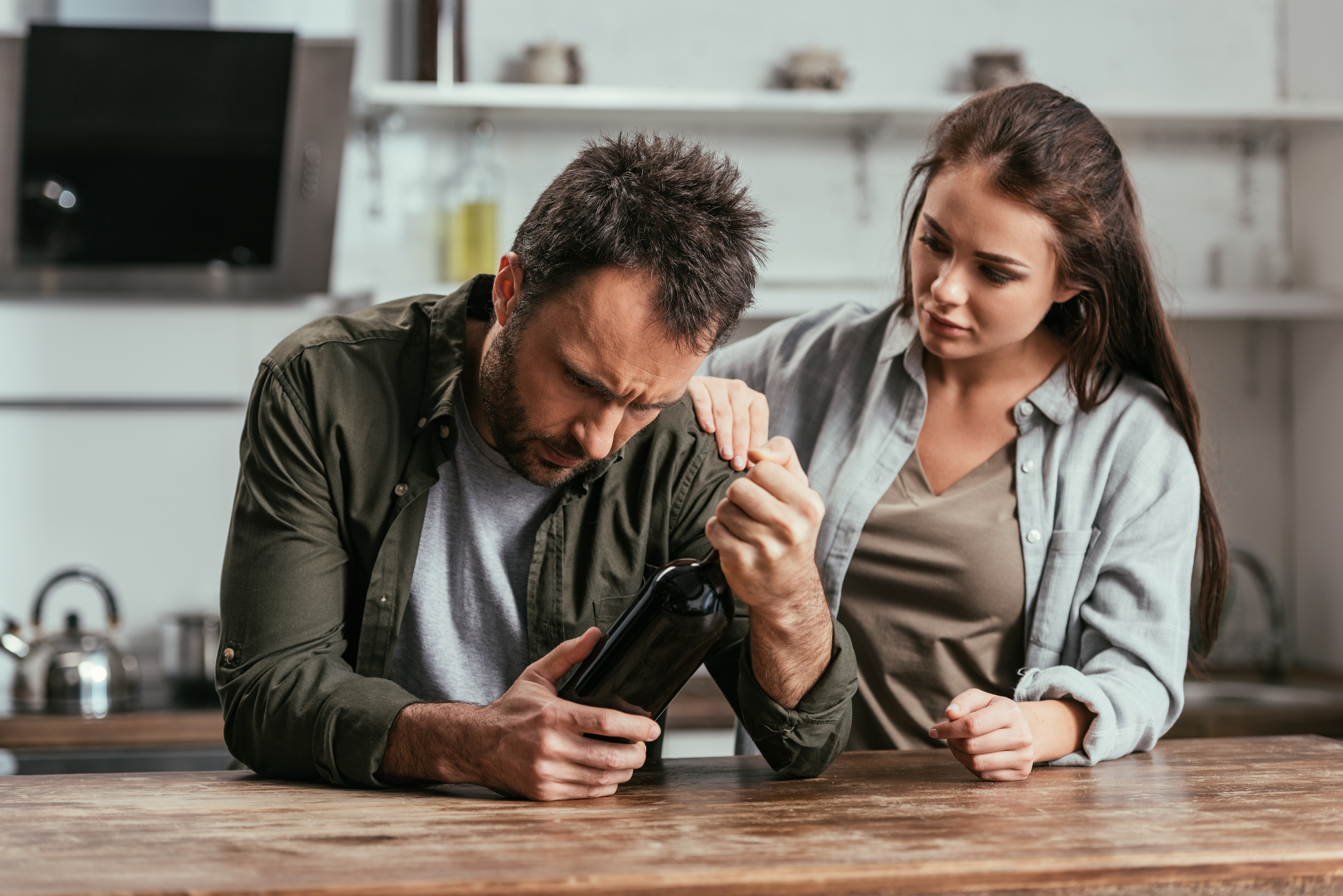
While detoxing at home from alcohol is a viable alternative for people suffering from mild addictions, it's not recommended for anyone who has severe symptoms of alcohol withdrawal. The withdrawal symptoms of alcohol are risky and can include seizures, hallucinations, shaking, and agitation. These symptoms increase the risk of injury or even death. symptoms alcohol detox with severe symptoms should always seek medical treatment.
The most important thing to do when you are trying to complete an at-home alcohol detox is to make sure that you have no access to alcohol. This means that you shouldn't keep any alcohol in your house and also stay away from places where alcohol is served. This will help you avoid drinking accidentally during your detox. It is also essential to stick to a plan and avoid spending time around people who may be tempted to drink.
You should also meditate and practice mindfulness, as these practices can help reduce alcohol cravings. Be sure to get enough rest and eat a balanced, healthy diet. Lastly, you should drink plenty of fluids and drinks that contain electrolytes. Dehydration is a common side effect of alcohol detox.
You should also have a system of support in place to assist you through your home detox. When you are struggling to conquer cravings, it's important to have someone who can provide emotional assistance and encouragement. You should also prepare a plan in case you experience any issues during detox. The DrugInfo hotline is a great resource to have available to you, since it has reliable information about alcohol and other drugs.
Asking for help
If you're not sure if you're able to detox successfully from alcohol at home or whether it's better to go to an supervised medical alcohol withdrawal treatment center, seek professional help. mens alcohol detox suffering from alcohol addiction or dependence are hesitant to ask for assistance and do an unsupervised home alcohol detox instead. This could be uncomfortable and possibly risky.
One of the most important things you can do to quit drinking is to solicit assistance from your family and friends. They can help you stay accountable and avoid encouraging situations that could occur during your detox, and they can also be there to comfort you during the tough times. Make sure to establish a visiting schedule with them to ensure that you're never left alone during your detox.
During your detox, it's important to be active. This will not only distract you from your cravings for alcohol, but it can help make withdrawal symptoms easier to cope with. It is possible to stay occupied through reading, exercise, spending quality time with family and friends, or picking up new interests.
Another way to help prevent the possibility of relapse is to think about the pain that will result if you drink more. In most cases when people are struggling with addiction, they only notice the short-term relief that comes from a drink and fail to consider that the long-term pain of relapse will be much more painful than the temporary discomfort of detox.
If you are serious about your recovery, it is important to keep working on your recovery after having completed the detoxification process. It is also recommended to seek professional assistance in order to learn how to avoid the relapses that can occur. A reputable alcohol detox center will provide you with prescription drugs and evidence-based treatments such as cognitive-behavioral or dialectical behavior therapy, which will aid you in managing your drinking in the future.